

Some of the smallest wildlife might be the most impactful. Insects are the largest and most diverse group of organisms on Earth. Nearly 1 million species of insects have been named and described by science, which represents approximately 75 percent of the world’s animal species. With such abundance, it’s not surprising that insects are vital members of ecosystems and provide crucial services as they act within natural communities.
Insects create a healthy and balanced foundation for most ecosystems on Earth by recycling nutrients, pollinating plants and controlling pests. Additionally, insects are a part of food webs that support other animals, plants and ecological communities. According to the World Wildlife Fund, 96 percent of North American birds feed insects to their young, which means any impacts to insect populations will impact birds as well. However, despite their abundance and importance insects are often overlooked.
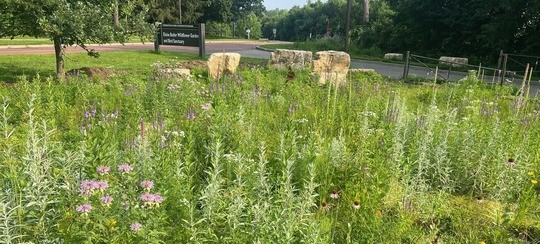
Learn about all kinds of insects – bees, ladybugs, monarchs and more – at North Mississippi Regional Park and Eloise Butler Wildflower Garden. Find all the July programs at minneapolisparks.org.