

By Dr. Anna, Camden Pet Hospital
We undoubtedly love our furry, feathered and scaled companions. We all want to show our pets that affection in ways that we humans consider natural and normal like cuddles and touch, talking and interaction. And usually, well sometimes at least, they will in turn reciprocate that affection. Let’s be honest, sometimes our beloved pets just bask in the love we shower upon them and aren’t always the most loving in return. Sometimes they just need time to warm up to that affection, sometimes they just aren’t the kind of pet that particularly likes how we want to show our affection.
With September in our midst many homes in the Camden Community will change pretty dramatically as Summer ends and Fall begins. Notably, because with the commencement of the school year many people’s schedule drastically changes to accommodate the classroom and afterschool activities. This of course means that the activity for the pets will need to adapt and change as well.
As a veterinary practitioner that focuses a great deal on animal behavior, I can assure you that there are many pets that really struggle with big changes in routine and the beginning of the school year is a prime example. Dogs in particular have sometimes been bred to be very attuned to their people, some arguably too much, that they are more prone to truly struggle and suffer more with separation anxiety. Separation anxiety is one of the most common challenges with canine behavior. Thankfully, there are many things we can do to help minimize the mental stress and anguish these pets feel when they have severe anxiety.
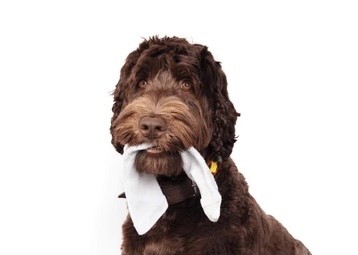
Stress with separation and boredom often go hand in hand with many dogs that manifest behaviors with separation anxiety. Frequently, chewing on or eating objects like socks, underwear, shoes and even couches, is a common sign of pets struggling with separation anxiety. This is sometimes called “destructive chewing.” Pets often are drawn to and want to chew on (and sometimes swallow!) the things that smell most like their person.
Though it seems counterintuitive, one of the best ways to help minimize this behavior is to lessen your intensity of behaviors, in particular, your affection at the times you are coming and going from the home. The big goodbyes, smothering your dog with attention and telling them how much you’ll miss them while you’re away at work, will only lead to a much more stressed and anxious dog. Similarly, when arriving home, an immediate show of smooshy lovely dovey kisses and cuddles at the door will once again intensify that stress and anxiety your dog has while you’re away.
Though we love to receive that intense greeting, and often feel good that our dog loves us so much “they can’t be anywhere without me, they even follow me in the bathroom,” the truth is, that dog is anxious and does not have a healthy mind.
Now I’m not suggesting you can’t or shouldn’t coddle your beloved pup, if they are the kind of dog that enjoys affection in that way (some certainly don’t) you can do so, but it’s all about timing! The best thing to do when you arrive home is nearly completely ignore your pup for about five minutes, no touching, leaning over, kissing or exclamations/baby voice. Your arrival should not be an ‘event.’ Wait until your pet settles down and is not jumping up or whining for your attention before you give them that affection. You may need to get your dog outside right away for a potty break when you arrive home, that’s understandable, but in that case, do so with a nonchalant routine. Ask for a well-behaved sit or a ‘go to your place’ command before you clip the lead on and go outside. Minimize excited voice and touch on arrival at the least.
Similarly, when leaving to go to work or as the family begins the school day as we head back into the school year, have a routine for that too. Make sure you leave enough time in the morning so your pup still gets their needed mental stimulation time walking around the parkway and getting a chance to go potty without a rush. Then, when you’re getting ready to leave, have your dog go to a designated place away from the door, give them a frozen toy or puzzle toy full of their food or low calorie treats, and they should be able to begin enjoying that while you gather the lunches, keys, handbag etc. If instead, you hear whining, or they are underfoot the entire time, and you then give them big hugs and cuddles and say ‘be a good boy while mommy’s away,’ well, you’ve set yourself up for some bad karma right there, haven’t you.
All joking aside, separation anxiety is a real concern, and it is very common. There are many pets that struggle with severe anxiety and we at Camden Pet are here to help ensure your pet’s mental health and behavior are as sound as their physical health. We have a great number of resources and knowledge to help you, and we’ll sometimes suggest behavior meds to help pets that need more support than training alone. Help minimize your pets mental stress and consider modifying your routine this Fall to help them! Give us a call if you’d like additional help or guidance.