

Miigwech (Anishinaabe), Pidamaya (Dakota), Wa’ininap (Ho Chunk), Gracias (Latinx)!
written by Susan Curnow Breedlove
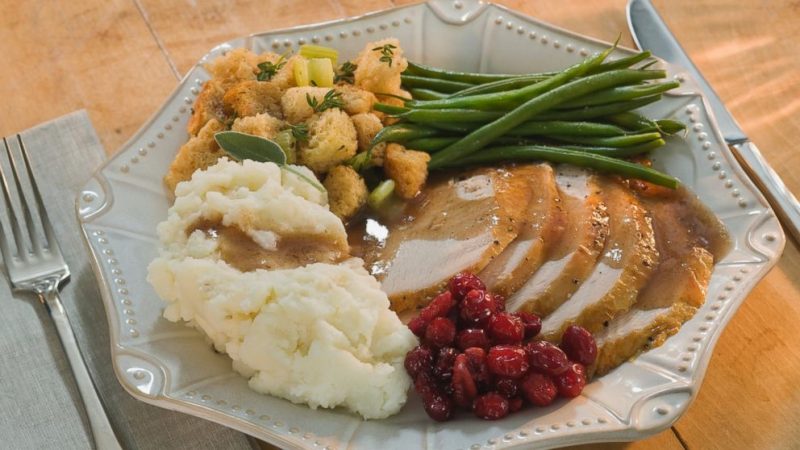
Many of us have stuffed ourselves recently, perhaps for Thanksgiving. Stop to consider that much of what we ate is food developed or cultivated by the Indians of North, Central and South America. The smoked turkey wings in the collards, the mashed potatoes, the sweet potato pie, the green beans, the Pepsi (ingredients from the Indigenous people), the cake rich in chocolate, vanilla in ice cream, the tomato sauce on pizza, and more, gifted by the Indigenous People of the Americas.
Food contributions of the Indians of the Americas
42 % of food eaten in world by weight, 48% of $ value of food produced in the U. S.
14 varieties of beans including kidney, string, snap, Mexican frijol, butter, common, lima, navy, pole, French and Rangoon, pumpkins, squash, chayote, 3,000 varieties of potatoes including the “Irish potato,” sweet potatoes, maize (corn), popcorn, original Cracker Jacks, carrots, beets, succotash, sweet peppers, dried red hot peppers, wild rice Brunswick stew, turkeys, pemmican, jerky and cassava for meat tenderizers.
Tomatoes, passion fruit, pomegranate, persimmon, plantains, cranberries, strawberries, pineapples, avocado, guacamole, papaw (papaya), cayenne, paprika, tabasco sauce, gumbo file, achiote coloring for oleomargarine, extraction of flavorings and spices, vanilla, curry, ginger, sage, mints, wintergreen, Jamestown weed, snow cones maple syrup, and maple sugar. Cornbread, frybread, amaranth, quinoa, sunflower, Jerusalem artichoke, pecans, cashews, chocolate, chocolate drink, sassafras tea, sarsaparilla tea, root beer, tonic water, original ingredients for Coca-Cola, Dr. Pepper, and Pepsi including caffeine, peppermint, opium, cola and cocaine.
Specialized fishing and hunting techniques, food production using technological processes, freeze-dried foods, preparation of seafoods, clam bakes, food storage methods, smoking foods, and wind ovens.
Contributions of American Indians in the field of agriculture
3/5 of world’s crops now in cultivation, base for modern genetics, domestication and development of plants, natural bug repellent, hilling, polyculture, milpa (careful seed selection), hybridization of crops, conuco gardening, planting by cuttings, partner planting, model for canal system and irrigation, nitrogenous fertilizer, fishmeal fertilizer, bean and other plant names, experimental agricultural stations, and oyster harvesting grounds.
Some suggested resources regarding American Indigenous foods
Indian Givers: How the Indians of the Americas Transformed the World by Jack Weatherford.
Turtle Island: Foods and Traditions of the Indigenous Peoples of North America by Sean Sherman
Indian Farmers of North America by Harold F. Driver and Wilhelmine Driver
Foods the Indians Gave Us by Wilma and R. Vernon Hays
The Contributions of the American Indian to Civilization by Alexander Francis Chamberlain
American Indian Food by Linda Murray Berzoc